
The Violence of Being Reduced: Black Women Beyond the Stereotype
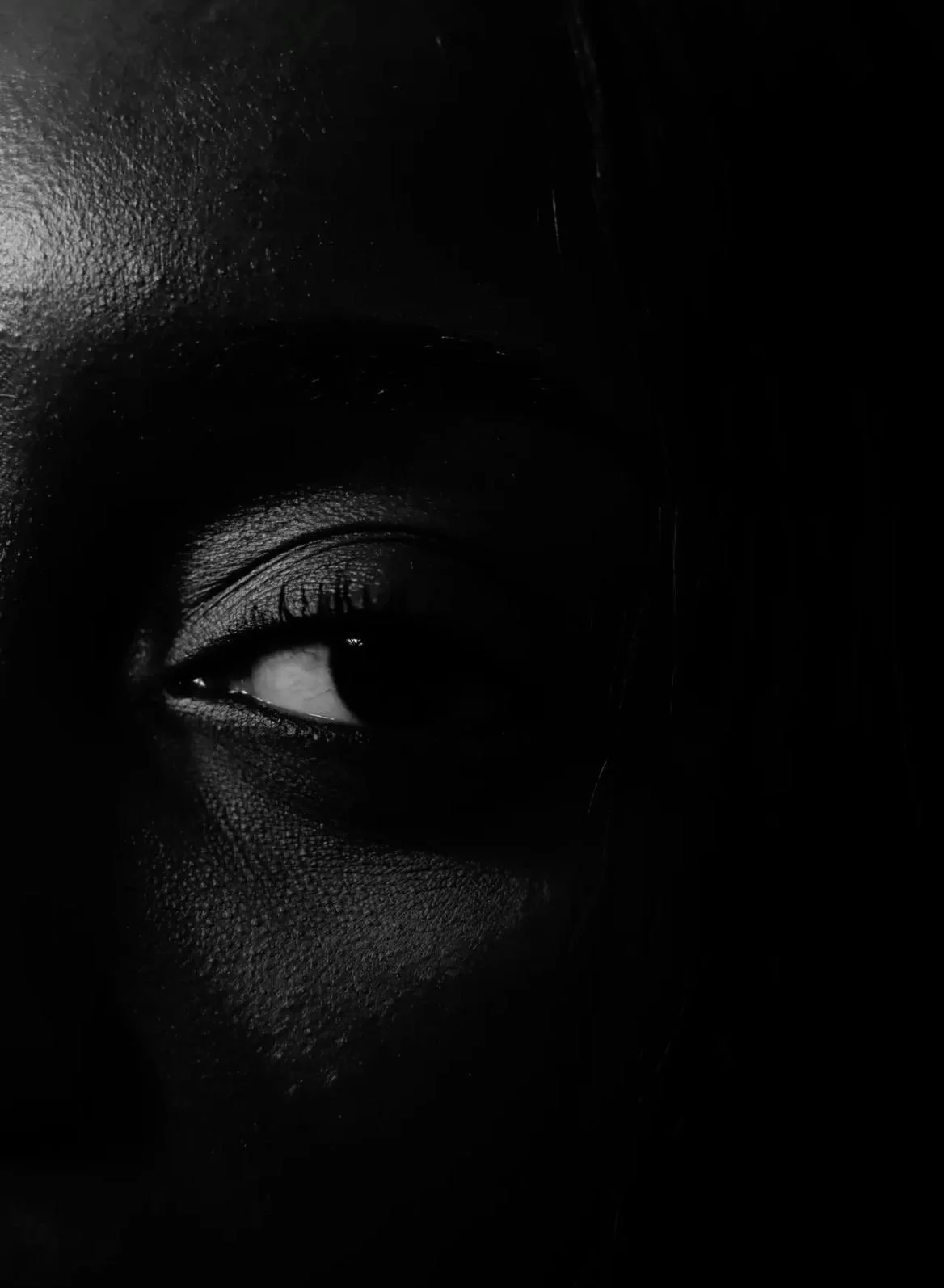
Black women in the United States are often perceived before they are understood, their identities filtered through destructive and enduring stereotypes. These labels, which range from the "strong Black woman" stereotype to the "angry Black woman" caricature, do more than only distort; they also influence access to opportunities, lived experiences, treatment in institutions, and long-term outcomes.
The Making of a Myth
These caricatures, which have their origins in slavery and are perpetuated by the media, were never coincidental. They were created to quiet complexity, rationalize inequality, and make humanity easier to understand. Historically, such images reduced Black women to one-dimensional roles, stripping away individuality in favor of narratives that upheld existing power structures. Today, these ideas continue to surface not only in entertainment but also in workplaces, classrooms, and everyday interactions.
Constructed Narratives
Strength as Expectation
On the surface, the "strong Black woman" is frequently commended for being tenacious, indestructible, and steadfast. But there's expectation underneath that praise. Strength turns into duty. Black women are rarely given the opportunity to be vulnerable. Research indicates that this pressure contributes to higher levels of chronic stress, delayed access to mental health support, and increased risks of stress-related illnesses.
When Expression Is Misread
The term "angry Black women" is another stereotype that misrepresents expression as hostility. People misunderstand assertiveness. Passion has a price. According to research, employment decisions, promotions, and performance evaluations at work are all impacted by the perception that Black women are combative in professional situations. The consequences extend beyond perception, affecting both economic stability and professional growth.
Systems That Sustain Bias
Black women's treatment in institutions designed to support them is likewise influenced by these preconceptions. Implicit prejudice in the medical field may cause their suffering to be minimized or ignored, leading to disparities in diagnosis and treatment. Black girls receive significantly harsher discipline in school than their peers, frequently for actions seen through a prejudiced perspective. These patterns reveal how stereotypes are embedded within systems that are intended to provide support and equity.
The Cost of Constant Adjustment
Beyond facts and numbers, there is something less measurable: internal influence. To continually negotiate a world that puts false narratives on you is to be in a condition of correction. Of code switching, shrinking, or perhaps overcompensating, in order to be viewed accurately. Identity becomes a matter of negotiation. This ongoing process can fragment authenticity, turning identity into something that must be managed rather than freely expressed.
Reclaiming the Narrative
Still, Black women continue to fight back by reclaiming their narratives through storytelling, advocacy, and creative expression. Social movements, digital platforms, and academic research have increased the visibility of previously disadvantaged voices. This growing visibility not only challenges outdated stereotypes but also creates space for more accurate and diverse representations.
Beyond Awareness, Toward Accountability
Dismantling these stereotypes takes more than just acknowledgment; it also necessitates accountability. It entails interrogating biases, challenging media depictions, and fostering inclusive environments in which Black women are viewed for their full humanity: multifaceted, nuanced, and uncontained.
